Support of the Wall to Wollondilly (W2W) Project!
The W2W project was supported by the Southern Highlands Landcare Network and aimed to protect and restore the natural environment along the Wingecarribee River in the Southern Highlands of NSW.
The W2W Project aimed to protect, maintain and restore the natural environment along the Wingecarribee River, in the Southern Highlands of NSW, between the Wingecarribee Reservoir and the junction of the Wollondilly and Wingecarribee Rivers. This is a major corridor linking the coastal cliffs with the Central Tablelands. Extensive land clearing has left the river in a highly degraded state, threatening water quality and the future of the river’s many native plants and animals, like the Platypus and Yellow-Bellied Gliders, as well as threatened woodland birds, microbats and possums. Cleared land fragments the landscape and forces these threatened species into isolated pockets.
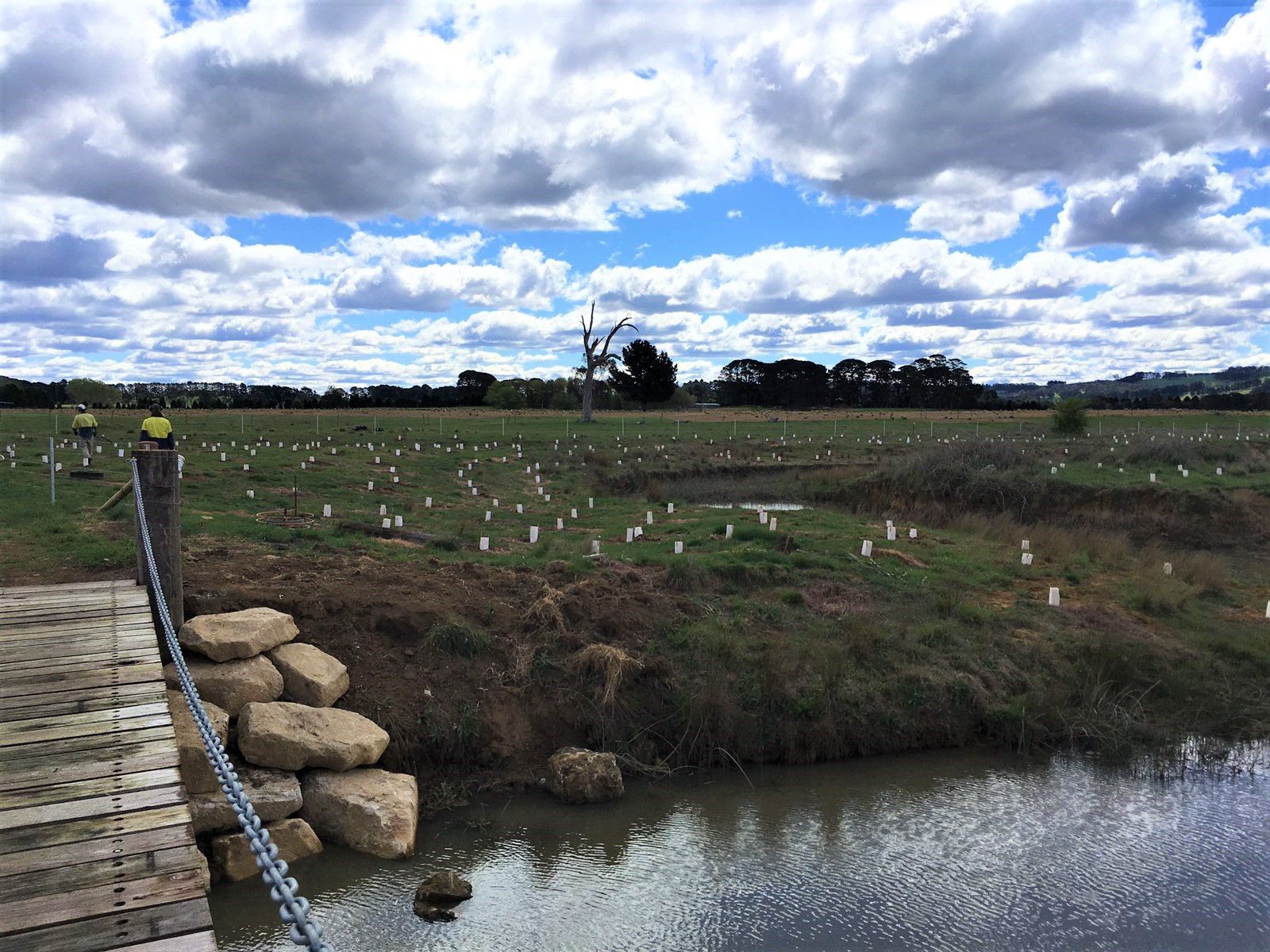
The solution: The Wall to Wollondilly project worked with the local community to protect and restore critical habitat for these species and improve the health of the Wingecarribee River. W2W engaged the local community, farmers and other private landholders, government agencies, and not-for-profit organisations. As a group, we undertook on-ground works to help restore critical habitat for animals by reducing the impact of weeds, enhancing existing bushland, installing new homes for hollow-dependent animals, revegetating river banks and enhancing conservation on private property. These works helped link up habitats, improve water quality and help return the Wingecarribee River to a healthy state.
The project forms part of the Great Eastern Ranges Initiative, which is bringing people and organisations together to protect, link and restore healthy habitats across 3,600 kilometres of eastern Australia. The project builds on past and current planning and projects to create long-term, sustainable change in ecosystem health. This results in the best value of environmental outcome for every dollar spent. This project has been assisted by the New South Wales Government through its Environmental Trust.